Developments in purchasing behavior in Germany.
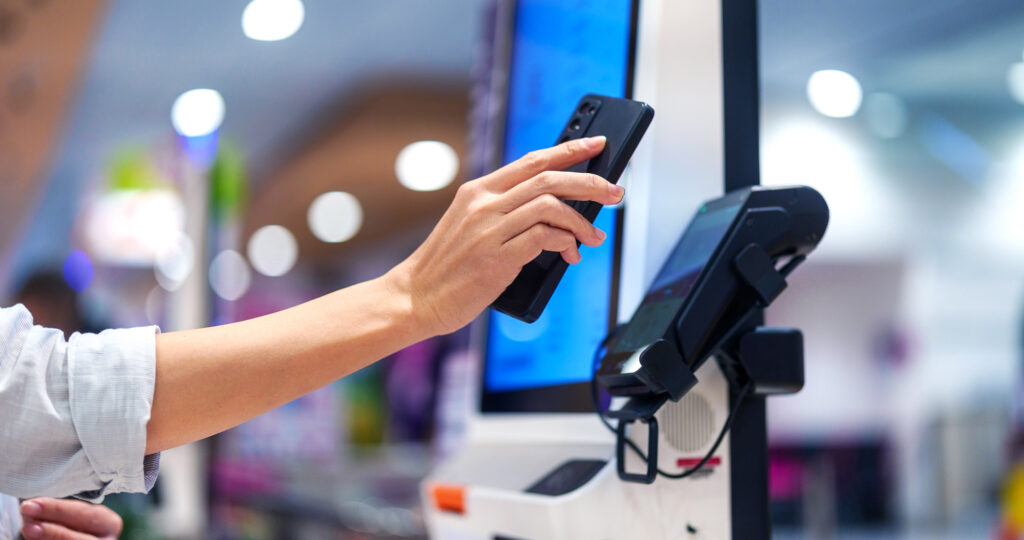
The shopping and payment experience - as we know it - is changing. New store concepts, self-service checkouts and delivery services are fundamentally changing everyday shopping habits. While many people still use traditional supermarket checkouts with staff, there is a clear trend towards new shopping methods, particularly among the younger generation. The annual survey conducted by the Allensbach Institute for Public Opinion Research (IfD) on behalf of the Initiative Deutsche Zahlungssysteme e. V. provides revealing insights into this: half of card payers in younger generations would like to shop more at self-service checkouts in future. What do these developments in shopping behavior in Germany mean? We explain.
Trends in purchasing behavior in Germany.
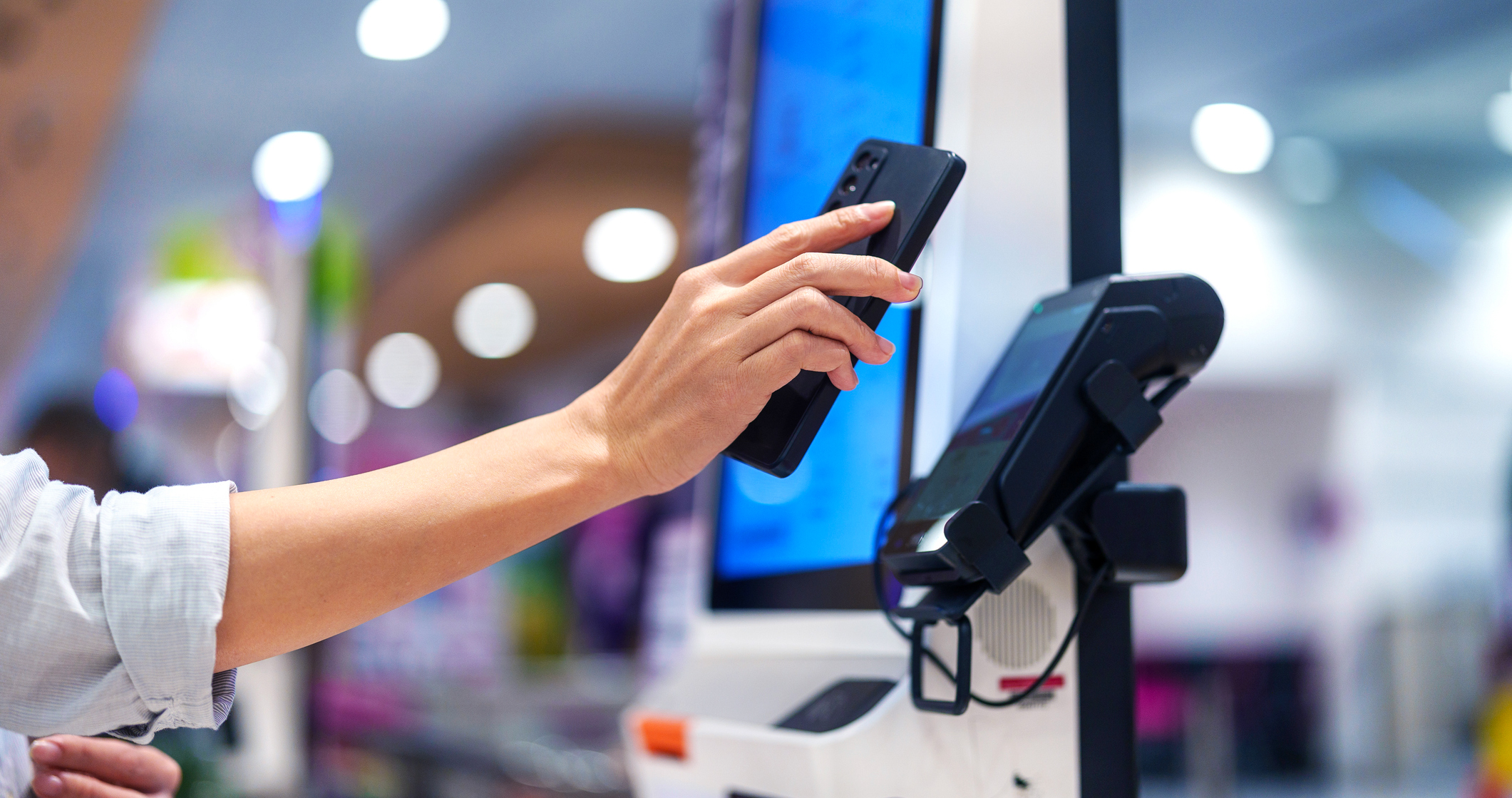
While the population as a whole is rather reluctant to embrace new shopping concepts, the younger generation is driving innovation with regard to new methods. More than half of all 16-29-year-olds would like to shop more often at self-service checkouts in supermarkets in the future. Almost a third of this age group (30 percent) can even imagine using supermarkets without checkouts more often.
Card payers show similar preferences: More than half (51 percent) plan to use self-service checkouts more in the future, and just under a third (29 percent) would like to shop more often in a supermarket without a checkout. In comparison, the figures for cash payers are only 20 and 12 percent respectively.
Despite the rather subdued response from the population as a whole, a trend in shopping behavior is emerging in Germany: more than a third (38%) of people say they would like to use self-service checkouts in supermarkets more often in the future. However, only 22% can imagine shopping more often in supermarkets without a checkout. Even fewer (14%) plan to order food online in future.
Shopping habits in Germany: Why is theretail sector popular?
While shopping behavior in supermarkets is changing rather gradually, online shopping is already firmly anchored in people's everyday lives. The ability to shop from the comfort of their own home is seen as particularly advantageous (71%). For a good two thirds (69%), independence from store opening hours is an important reason. Nevertheless, just under a third (31%) of shoppers across all generations state that they only use the internet if the product is not available locally.
Consumers see potential for improvement when it comes to payment methods. Just under half (49%) would like to see a standardization of payment methods. Over a third (38%) would like to see a greater variety of payment options.
Payment by smartphone is increasingly shaping shopping behavior in Germany.
Speaking of payment methods - you've probably seen it countless times or perhaps you use it yourself: the option to pay with your smartphone. In fact, the digital girocard is becoming increasingly popular among consumers: 21% have already paid this way - almost double the figure from the previous year (2022: 12%). Among 16-29-year-olds, as many as 41% have already paid with the digital girocard on their smartphone or smartwatch.
Despite new payment trends, it is clear that many German citizens retail sector prefer to use tried-and-tested methods when paying at the checkout in brick-and-mortar retail sector : 55 percent of consumers prefer to pay with a physical girocard.
One driving factor behind this development is the ease of contactless payments. In the 16-29 age group, an impressive 90 percent pay with the contactless girocard. However, the use of the contactless function has also reached a new high of 73% across all generations. Even in the 60+ generation, more than half (57%) state that they use the contactless girocard for the first time.