Es ist kurz nach 18 Uhr, der Feierabend naht. Anna sitzt gerade im Zug, als ihr Smartphone vibriert. Eine SMS von ihrer Bank: „Ihr Konto wurde aus Sicherheitsgründen gesperrt. Bitte klicken Sie auf den folgenden Link, um Ihre Daten zu bestätigen.“ Der Puls steigt. Das ist doch ihre Bank! Oder etwa nicht?
Solche Momente sind genau jene, auf die Betrügerinnen und Betrüger beim Social Engineering setzen. Sie wissen, dass viele Menschen in Stresssituationen oder unter Zeitdruck schnell handeln – und genau dann persönliche Daten preisgeben.
Anlass: Social Engineering Day
Am 6. August findet der jährliche Social Engineering Day statt. Dieser Aktionstag macht weltweit darauf aufmerksam, wie Betrügerinnen und Betrüger mit psychologischen Tricks an sensible Daten gelangen – und wie sich Verbraucherinnen und Verbraucher schützen können.
Gerade weil Social Engineering zu den am schnellsten wachsenden Bedrohungen im Bereich Cyberkriminalität gehört, ist dieser Tag eine gute Gelegenheit, das eigene Wissen aufzufrischen und die persönlichen Sicherheitsmaßnahmen zu überprüfen.
Was steckt hinter Social Engineering?
Social Engineering bezeichnet eine der häufigsten Methoden, mit denen Betrügerinnen und Betrüger versuchen, an sensible Informationen von Verbraucherinnen und Verbrauchern zu gelangen – etwa Passwörter, Kartendaten oder TANs. Dabei setzen sie nicht auf technische Hacking-Methoden, sondern auf gezielte Täuschung und Manipulation von Personen, oft per Telefon, E-Mail oder Messaging-Dienst.
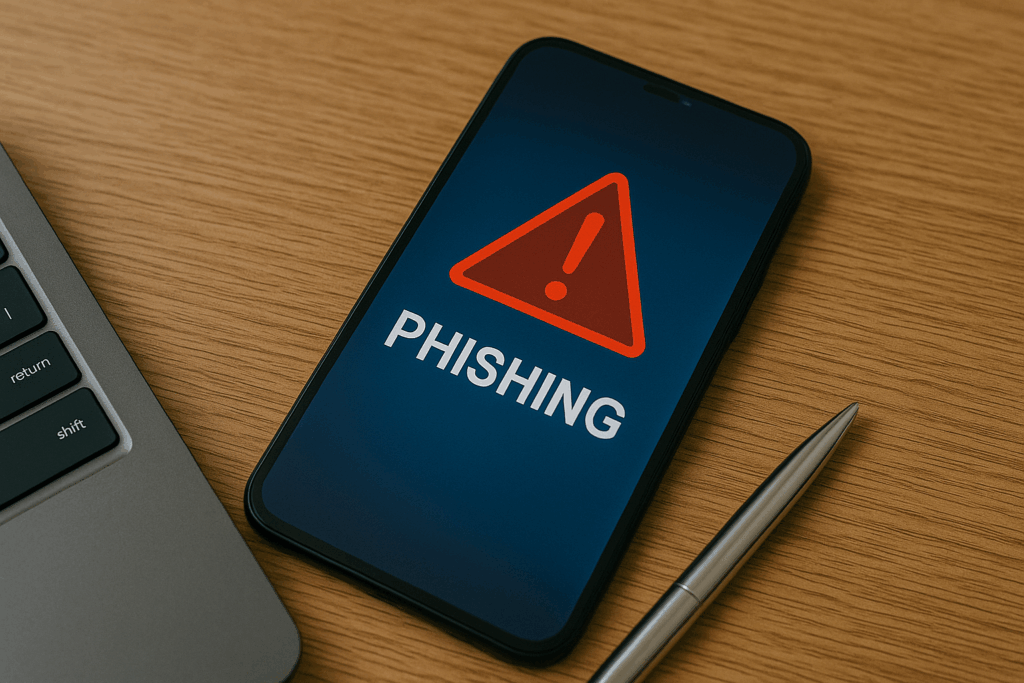
Die Methoden werden immer ausgefeilter: Phishing-E-Mails sind vom Original kaum zu unterscheiden, Smishing-SMS wirken authentisch und beim Vishing am Telefon geben sich Anrufer glaubwürdig und mit authentischen Stimmen als Bankmitarbeitende aus. Durch gezielte Manipulation entstehen Ängste oder Zeitdruck, viele Täterinnen und Täter nutzen auch die Hilfsbereitschaft aus, um Menschen zu täuschen.
Vor allem mit KI werden diese Angriffe immer raffinierter: Deepfakes lassen Stimmen oder Videos real erscheinen, gefälschte Websites sind optisch nicht mehr vom Original zu unterscheiden.
Warum selbst vorsichtige Menschen vom Social Engineering betroffen sein können
Auch wenn Menschen vorsichtig sind, können Sie zum Opfer von Social Engineering werden, denn Täterinnen und Täter setzen auf Emotionen. Eine E-Mail kündigt die sofortige Kontosperrung an. Eine SMS verspricht einen großen Gewinn. Ein Anrufer spricht ruhig und seriös – und nennt vielleicht sogar echte Daten, um Vertrauen zu gewinnen.
Diese Mischung aus Glaubwürdigkeit und Druck kann selbst Menschen täuschen, die eigentlich nicht so schnell zu täuschen sind. Genau deshalb ist es so wichtig, die eigenen Schutzmechanismen zu kennen.
Phishing erkennen: Sieben Tipps, um Social Engineering zu durchschauen
Der beste Schutz ist Aufmerksamkeit. Was kann Anna also tun, um ihr Bankkonto vor Betrug zu schützen? Diese sieben Tipps helfen, gängige Fallen zu erkennen:
1. Keine sensiblen Daten am Telefon weitergeben
Banken und Sparkassen fragen niemals nach PINs, TANs, Passwörtern oder vollständigen Kartennummern – weder am Telefon noch per E-Mail oder SMS.
2. Skepsis ist gesund
Verdächtige Nachricht? Ungewöhnlicher Anruf? Nicht unter Druck setzen lassen. Besser kurz innehalten und prüfen.
3. Absender sorgfältig prüfen
E-Mails von bekannten Namen können gefälscht sein. Kleine Abweichungen in der Adresse oder Rechtschreibfehler sind ein Warnsignal.
4. Offizielle Kontaktwege nutzen
Im Zweifel selbst bei der Bank anrufen – über bekannte Telefonnummern, nicht über die Nummer, die in verdächtigen Nachrichten angegeben ist.
5. Websites bewusst prüfen
Vor Online-Banking oder Einkäufen: Die URL genau ansehen, sie muss mit „https“ beginnen. Vorsicht ist auch geboten bei ähnlich geschriebenen Adressen.
6. Digitale Sicherheit pflegen
Es sind auf jeden Fall unterschiedliche und vor allem starke Passwörter einzusetzen, die regelmäßig zu aktualisieren sind. Dafür kann ein Passwortmanager nützlich sein, um den Überblick zu behalten. Falls möglich, sollte die Zwei-Faktor-Authentifizierung eingeschaltet werden.
7. Konto im Blick behalten
Regelmäßig auf ungewöhnliche Abbuchungen achten. Bei Verlust der eigenen Karte oder Verdacht auf Missbrauch sofort den Sperr-Notruf 116 116 wählen und alle relevanten Karten sperren lassen. Möglicherweise ist auch das Sperren der elektronischen Lastschrift bei der Polizei (“KUNO-Sperre”) zu veranlassen.
Fazit: Vorsicht ist kein Misstrauen, sondern Selbstschutz
Social Engineering ist eine raffinierte Form von Betrug, die auf Vertrauen setzt. Mit Aufmerksamkeit lassen sich viele Angriffe erkennen, bevor Schaden entsteht.
Wer sich bewusst macht, wie die Täterinnen und Täter vorgehen, stärkt nicht nur die eigene Sicherheit, sondern auch die der gesamten digitalen Welt.
Weitere Tipps und Informationen finden Sie auch auf www.kartensicherheit.de.